

Legal worry has a way of expanding to fill the whole week. A tense email arrives, a contract looks dense, a neighbor complains, and suddenly every internet rabbit hole feels like a deadline. You do not need a lawyer for every friction in life. You also should not wait until a manageable issue becomes a crisis with fewer options.
Knowing when you should seek legal advice—and when you can wait—is about matching urgency to risk. Money, housing, liberty, children, immigration status, and court calendars raise the stakes. Minor consumer headaches and early information-gathering often allow a slower pace. This article offers general public education, not advice for your specific case. Local rules differ, and only a licensed attorney can apply the law to your facts.
Start With Stakes, Deadlines, and Irreversibility
Ask three questions. What can I lose? Is there a fixed deadline? Will waiting make the problem harder to fix? High stakes plus a short deadline usually means professional help now. Low stakes plus flexible timing often means you can research, organize documents, and monitor developments first.
Irreversibility matters as much as dollar amount. Signing away rights, missing a court response window, or ignoring a government notice can close doors that money alone cannot reopen. When a step cannot be undone easily, treat it as urgent even if the document looks routine.
Expert Insight From Intake Calls
Many files that arrive “late” began as letters people understood emotionally but not procedurally. The content felt unfair; the response date was still binding. Calendar the date on the first read, then decide on counsel.
Situations Where Waiting Is Often Reasonable
Early shopping for ordinary consumer goods, comparing phone plans, or reading a standard workplace handbook usually does not require a lawyer on day one. Gathering facts after a minor fender bender—photos, insurance contacts, medical check if needed—can come before any lawsuit talk, provided you do not ignore insurer deadlines or sign broad releases you do not understand.
Informational disputes between friends about small debts sometimes resolve with clear written communication. Internal HR questions may start with company process. In these lanes, waiting means organized patience: keep records, avoid inflammatory messages, and set a personal review date so the issue does not drift forever.
What “Waiting” Should Still Include
Preserve documents. Avoid social-media play-by-play. Do not admit fault in formal statements without understanding consequences. Waiting is not the same as neglecting evidence or burning relationships with impulsive texts.
Situations Where You Should Seek Advice Promptly
Court papers demand attention. A summons, complaint, eviction notice, restraining order paperwork, or agency charging document is not a “read later” item. Employment terminations tied to discrimination or whistleblowing, serious injury claims, and criminal investigations require professional guidance early because statements and silence both carry consequences depending on the context.
Immigration, licensing, and professional-discipline matters can affect your ability to work or remain in a country. Business founders facing cofounder disputes, investor pressure, or regulatory inquiries should not rely on informal chat-group counsel. When the other side already has a lawyer, imbalance grows if you stay unrepresented during critical negotiations.
Hypothetical Turning Point
You receive a letter canceling a major contract and demanding payment in fourteen days. You can wait a day to cool down. You should not wait fourteen days to understand whether a response preserves defenses. A short consult can define the window; silence can redefine the case.
Money, Housing, Family, and Health: Higher-Sensitivity Zones
Housing security sits near the top of the urgency list. Lockouts, nonpayment claims, and unsafe conditions involve specialized rules and fast timelines in many places. Family disputes involving custody, safety, or support orders likewise deserve prompt, jurisdiction-specific advice—especially where emergency orders are possible.
Serious medical debt collection, disability benefit denials, and health-privacy breaches may allow some preparation time, yet appeal windows are often strict. Personal injury with ongoing symptoms needs early evidence discipline even if you have not chosen a firm. If physical safety is at risk, emergency services and safety planning come before civil strategy.
Business and Online Life
Starting a simple side hustle may begin with reputable templates and basic compliance research. Signing a long exclusive contract, buying a partner’s shares, or responding to a data-breach demand is different. Online defamation threats and intellectual-property claims also warrant early triage because posts and takedowns can affect evidence.
How to Use Limited Funds Wisely
You can often seek limited-scope help: a review of a single document, a letter assessment, or a one-hour strategy session. Prepare a timeline, a document packet, and clear questions to stretch the value of that hour. Ask about fees, what is excluded, and whether the lawyer sees immediate filing needs.
Legal aid, clinics, union counsel, and ombuds offices exist for qualifying matters and incomes. Bar-association referral lines can help you find the right practice area. Free internet summaries cannot replace advice, but they can help you ask better questions once you are in the room.
Red Flags When Shopping for Help
Guaranteed outcomes, pressure to sign large retainers without explanation, or advice to destroy evidence should end the conversation. Legitimate counsel discusses risks, process, and uncertainty. Written engagement terms protect both sides.
A Practical Decision Framework You Can Reuse
Classify the matter: information only, negotiation, or formal proceeding. Rate stakes from low to high. List known deadlines. If stakes are high or deadlines are near, seek advice now. If both are low, set a review date, gather facts, and attempt proportionate informal resolution.
Reassess when new documents arrive, when the other party escalates, or when your sleep and work begin to collapse under uncertainty. Anxiety alone is not a legal standard—but persistent fear paired with complex paperwork is a signal to get orientation from a professional.
Compact Checklist

What do I stand to lose? What dates control my options? Is a formal notice already in play? Am I being asked to sign or admit something? Is safety involved? Do I understand the document in plain language? If answers point to loss, deadlines, or confusion, make the call.
FAQ
When is it safe to wait before calling a lawyer?
When stakes are low, no hard deadline is approaching, and you are only gathering information or exploring informal resolution—while still preserving records.
What issues need legal advice quickly?
Court papers, eviction and housing emergencies, criminal investigations, many family-safety matters, immigration-critical notices, and major contract threats with short response windows.
Can I start with a one-time consultation?
Often yes. Limited-scope reviews are designed for focused questions and document checks.
What if I cannot afford a lawyer?
Ask about legal aid, clinics, union help, or referral services in your area, and act early while more options exist.
Does waiting ever hurt a good case?
Yes. Missed limitation periods, lost evidence, and unanswered claims can damage otherwise strong positions.
Is this article personal legal advice?
No. It is general education. Consult a licensed attorney for guidance on your facts.
Match Speed to Risk
Seek legal advice when deadlines, irreversible steps, or serious stakes enter the picture. Wait—briefly and actively—when you are organizing facts on a lower-risk matter and no formal process has started. The skill is honest classification, not constant panic or constant delay.
Open your calendar, write the known dates, and rate the downside in plain words. If the combination makes your stomach drop, treat that as data and get qualified help. If it does not, gather documents and set a review point. Wise counsel begins with knowing which clock you are really on.
Blog
This section provides an overview of the blog, showcasing a variety of articles, insights, and resources to inform and inspire readers.
-

Protection Against Dismissal in Germany | How the Kündigungsschutzgesetz Works
You receive a termination letter and immediately wonder whether the employer can simply end the…
-

Employment Contracts in Germany | Key Rights, Probation Periods, and Fixed-Term Rules
You receive a job offer in Germany and the contract arrives. The language is formal.…
-
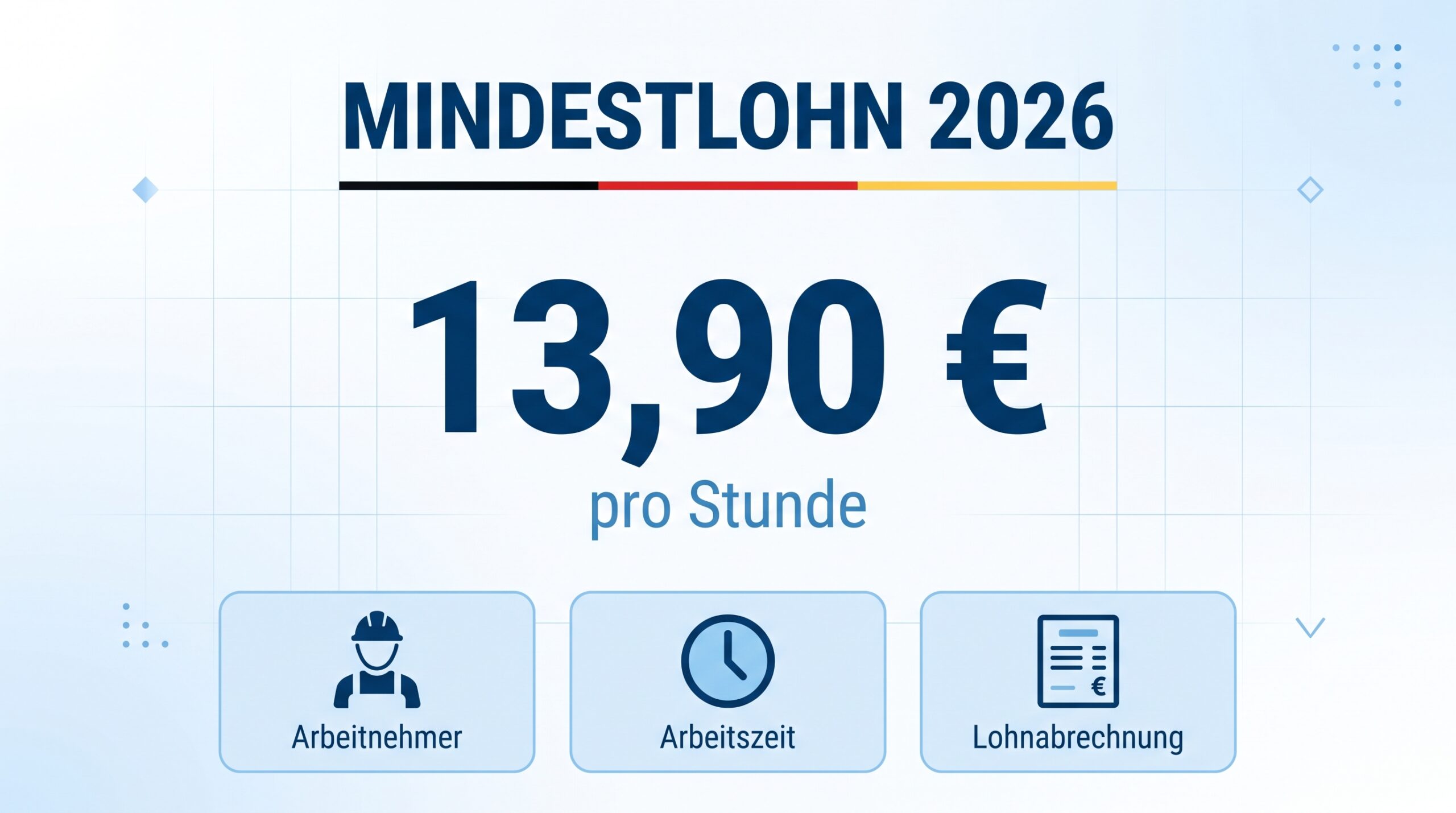
Germany’s Minimum Wage in 2026 | €13.90 per Hour and What It Means for Workers and Employers
Your payslip arrives and the hourly rate looks familiar—until you check the calendar. Since 1…

Explore Our Stunning Gallery
This section highlights a curated collection of images showcasing the beauty and essence of your offerings.







Leave a Reply