
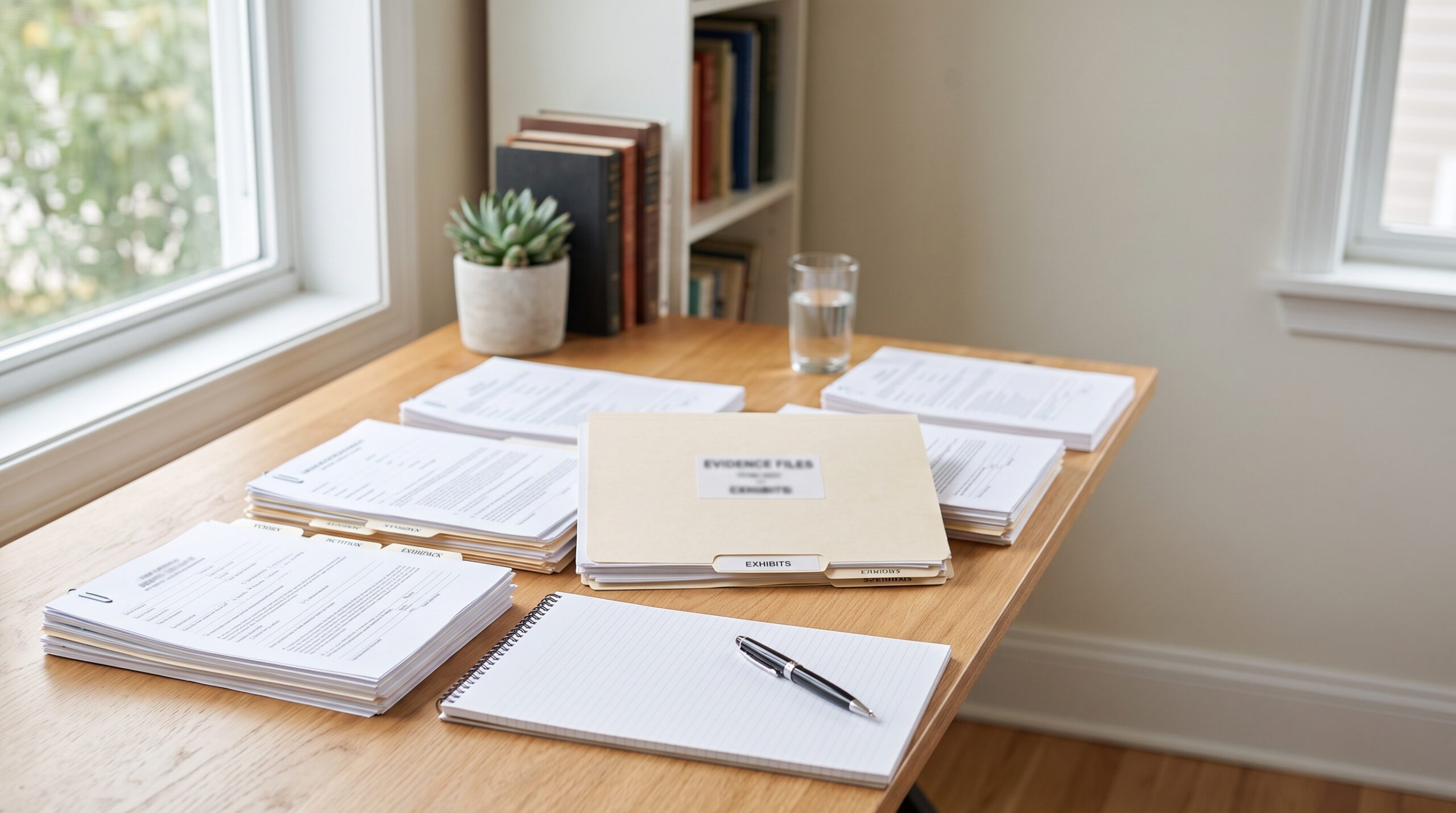
You sent the invoice. You texted reminders. You waited through promises that “payment is coming Friday.” Friday came and went. The amount is real to you, yet hiring a full-service lawyer would cost more than the debt. That gap is exactly where small claims court is supposed to fit.
Filing a small claims case step by step is less about courtroom theatrics and more about paperwork, deadlines, and proof. Procedures differ by state, county, and country. Monetary limits, forms, and service rules change by location. This guide is general public education—not legal advice for your dispute. Check your local court’s website or clerk’s office before you file.
Confirm Small Claims Is the Right Lane
Small claims courts handle lower-dollar civil disputes with simplified rules. Typical matters include unpaid bills, security deposit fights, property damage, and minor contract breaches. They usually do not handle divorce, bankruptcy, or serious injury cases. If your claim exceeds the local monetary limit, you may need to waive the excess, split claims only where allowed, or use a different court.
Ask whether your claim is still within the statute of limitations. Waiting too long can kill a strong case. Also ask whether you must demand payment in writing before filing; some places encourage or require a demand letter. A clear letter can settle the matter without a hearing and becomes useful evidence if it does not.
Expert Insight From Clerk Windows
Many filings fail on basics: wrong defendant name, bad address for service, or missing exhibits. Judges decide cases; clerks enforce process. Matching the court’s checklist beats writing a dramatic story with no documents attached.
Name the Right Defendant and Calculate the Amount
Sue the person or business who legally owes you. For a business, that may be a registered entity name, not only a trade name on a storefront. For an individual, use the full legal name when you know it. Wrong party names create empty judgments that are hard to collect.
Calculate damages carefully: principal owed, allowed costs, and whether interest or fees are permitted under your agreement and local rules. Bring receipts, contracts, messages, photos, and a simple timeline. Organize them in date order. You are building a short, credible package—not a novel.
Hypothetical Deposit Dispute
You moved out clean, documented the apartment with timestamps, and still lost most of a deposit. Your packet includes the lease, move-out photos, the itemized deduction letter, and your written response. That file often matters more than a long speech on hearing day.
Get the Forms and File With the Correct Court
Find the court that has authority over your claim—often where the defendant lives, where the business operates, or where the events occurred, depending on local venue rules. Download the small claims complaint or claim form from the official court site. Complete it in plain language: who you are, who you sue, what happened, and how much you seek.
Pay the filing fee or apply for a fee waiver if you qualify. Keep stamped copies and any case number. Some courts file in person; others allow e-filing. Ask the clerk about mediation programs—many courts require or offer mediation before a trial date.
What to Avoid on the Form
Do not inflate numbers to “teach a lesson” beyond what you can prove. Do not list claims the court cannot hear. Do not ignore instructions about multiple plaintiffs or related cases. Clean, limited claims are easier to explain in a short hearing.
Serve the Defendant Properly
Filing starts the case; service gives legal notice. Courts require specific methods—sheriff, process server, certified mail, or other approved options. Who may serve and how proof is filed are strict. Informal handoffs to a friend often fail if rules forbid it.
After service, file the proof of service by the deadline. If service fails, you may need to try again or use alternative service only with court permission. A case can stall for months on bad addresses. Invest effort in locating a good service address early.
Expert Insight on Notice
Judges care that the other side had a fair chance to appear. Technical service errors can delay or dismiss claims even when your underlying story is strong. Treat service as a core step, not paperwork trivia.
Prepare for Mediation or Hearing Day
If mediation is offered, decide your bottom line in advance. Settlement can save time and collection headaches. If you go to hearing, practice a three-minute version of your story: agreement, breach, damages, proof. Bring organized copies for yourself, the court, and the other side when required.
Dress neatly, arrive early, and silence your phone. Address the judge respectfully. Answer questions directly. Do not interrupt the other side; note your replies and wait your turn. Bring the original documents plus copies. Witnesses should have firsthand knowledge, not secondhand opinions.
Hypothetical Contractor Dispute
You paid a deposit for work never finished. Your hearing kit includes the signed estimate, canceled checks, dated photos of incomplete work, and messages where the contractor stopped responding. Short and documented beats loud and vague.
Judgment, Collection, and What “Winning” Really Means
If you win, the court issues a judgment. Collecting is a separate phase. Options may include wage garnishment, bank levies, or liens—each with forms, fees, exemptions, and limits under local law. A judgment against someone with no collectible assets can be a paper victory.
If you lose, ask about appeal rights and deadlines immediately; windows can be short. If you settle, get the agreement in writing and follow any required dismissal paperwork. Keep records of every payment. Close the loop so the case does not linger.
Practical Collection Mindset
Before you file, run a hard mental check: if I win, can this person or business actually pay? Filing fees and your time are real costs. Sometimes a negotiated payment plan outside court is the rational path.
Common Mistakes That Sink Small Claims Cases

Missing the limitations period. Suing a trade name instead of the legal entity. Skipping proper service. Bringing a binder of clutter with no timeline. Expecting the judge to investigate for you. Ignoring that you may need to collect after judgment. Each mistake is avoidable with a checklist and local instructions.
Also avoid social-media venting that escalates conflict or creates awkward exhibits. Stick to facts. If the dispute involves safety, harassment, or complex legal theories, small claims may be the wrong forum—get tailored advice from a licensed attorney.
Compact Filing Checklist
Correct court and claim limit. Right defendant name. Written timeline and exhibits. Filed forms and fee. Valid service and proof filed. Hearing plan under five minutes. Collection reality check. Work that list in order.
FAQ
How much can I sue for in small claims?
Limits vary widely by location. Check your local court’s published maximum before you file.
Do I need a lawyer?
Many small claims courts are designed for self-represented parties; some restrict lawyer participation. Complex cases still benefit from legal advice.
What if the defendant ignores the case?
If properly served and they fail to appear, you may seek a default judgment—then you still must collect under local procedures.
How long does a small claims case take?
Timelines range from weeks to months depending on service, mediation, and court calendars.
Can I file online?
Some courts offer e-filing; others require in-person filing. Use only official court channels.
Is this legal advice?
No. It is general education. Rules vary by jurisdiction; confirm with your court or a licensed attorney.
Paperwork Wins More Often Than Volume
Filing a small claims case step by step means choosing the right court, naming the right defendant, proving a clean number, serving notice correctly, and presenting a short evidence-backed story. Winning a judgment is only half the journey; collection is the other half. Preparation beats improvisation on hearing day.
Visit your local court’s small claims page, download the forms, and build your exhibit folder before emotions drive the timeline. If the process feels unclear at any step, ask the clerk about procedure—or consult counsel—before a fixable error becomes a dismissed case. Clear process is how small claims delivers on its promise.
Blog
This section provides an overview of the blog, showcasing a variety of articles, insights, and resources to inform and inspire readers.
-
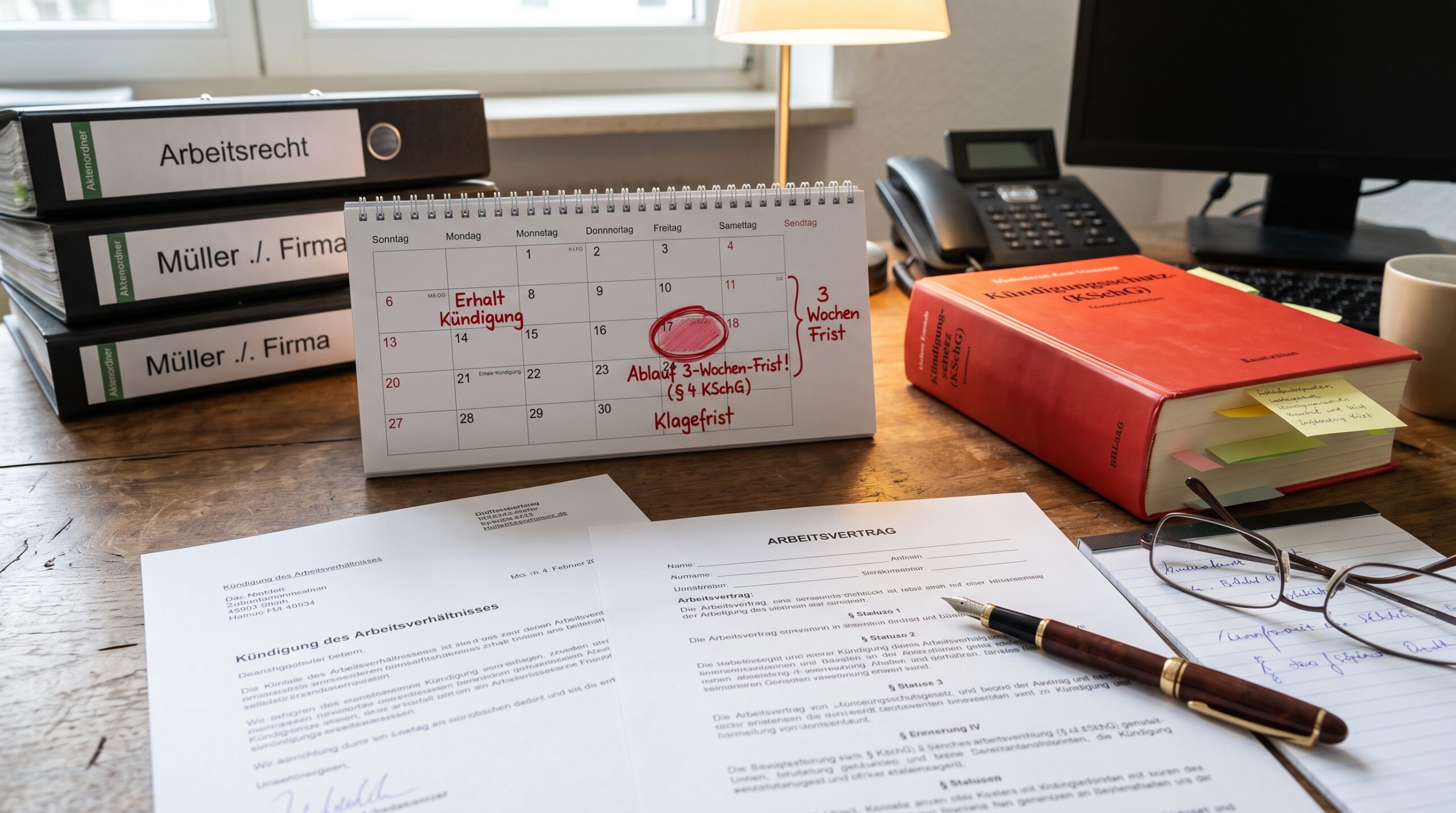
Protection Against Dismissal in Germany | How the Kündigungsschutzgesetz Works
You receive a termination letter and immediately wonder whether the employer can simply end the…
-

Employment Contracts in Germany | Key Rights, Probation Periods, and Fixed-Term Rules
You receive a job offer in Germany and the contract arrives. The language is formal.…
-

Germany’s Minimum Wage in 2026 | €13.90 per Hour and What It Means for Workers and Employers
Your payslip arrives and the hourly rate looks familiar—until you check the calendar. Since 1…

Leave a Reply