
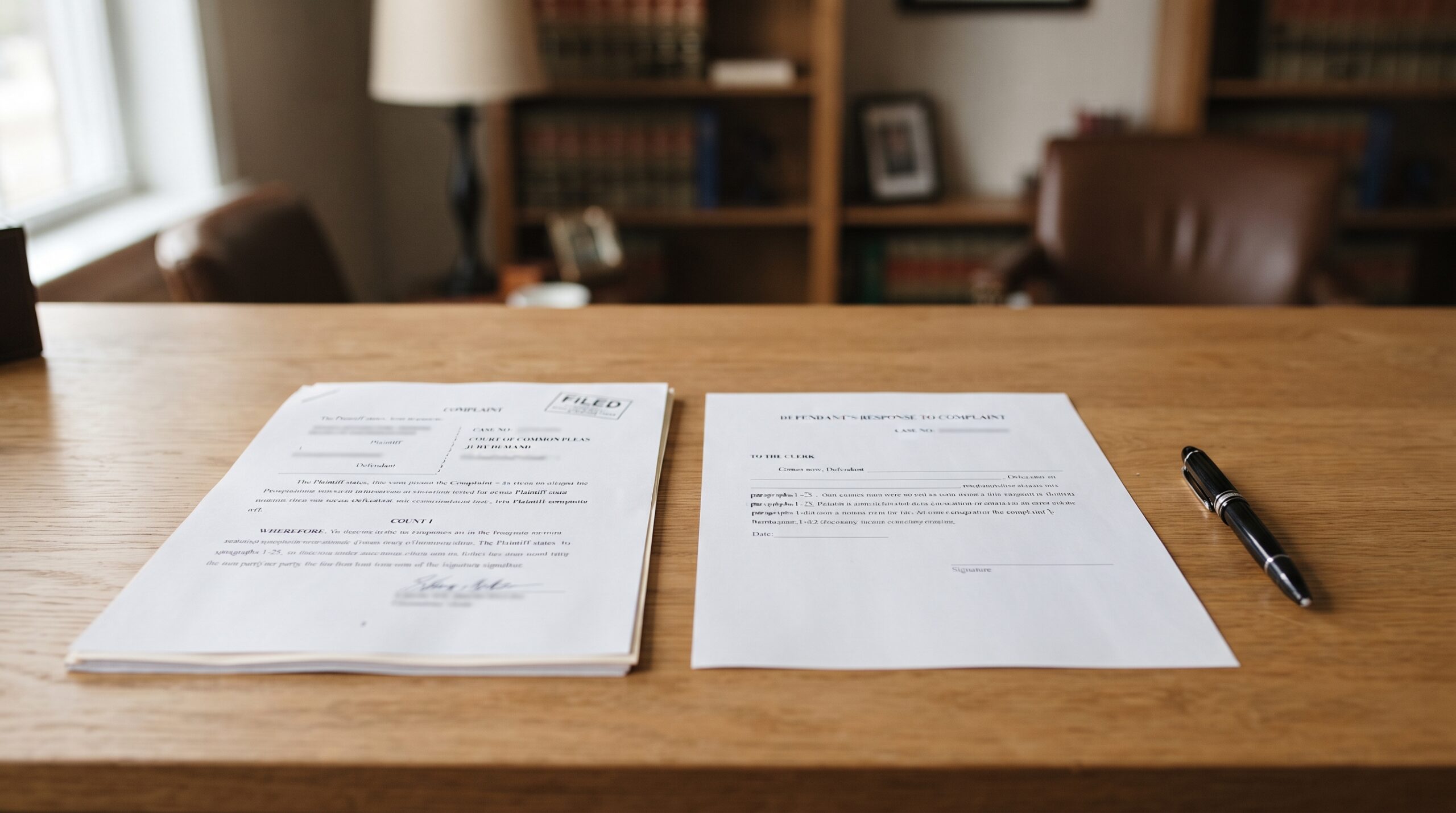
A complaint is not a final judgment. It is an opening move. Still, the first response you file can narrow your defenses, admit facts you did not mean to concede, or arrive too late to matter. People freeze, then scramble, then copy a form from the wrong state. That sequence creates avoidable damage.
A step-by-step guide to responding to a legal complaint should help you slow down just enough to protect the deadline and choose the right type of response. Civil procedure varies by court, so treat this as a practical map rather than a universal script. It is educational information, not legal advice for your case. If money, livelihood, or long-term records are at stake, involve a licensed attorney in the jurisdiction where you were sued.
Step One: Confirm Service, Deadline, and Court
Verify that what you received includes a summons and a complaint, and note how delivery occurred. The summons typically sets the response clock. Mark the due date on a calendar immediately, with earlier reminders. If the counting method is unclear because of weekends or holidays, verify under local rules rather than guessing. Filing even one day late can open the door to default.
Identify the court, case number, and parties exactly as captioned. You will reuse that caption on your response. Confirm whether electronic filing is required, optional, or unavailable. Ask the clerk’s office about formatting, fees, and whether a fee waiver exists if you qualify. Clerks can explain filing logistics. They cannot draft your defenses or predict outcomes.
Preserve the Record While the Clock Runs
Keep the envelope, tracking materials, and every page served. Save related contracts, messages, invoices, and photos in one folder. Stop casual outreach that admits liability. If insurance may apply, send notice promptly with the suit papers attached. Early organization shortens any attorney consult and reduces the chance that a key exhibit surfaces after you have already answered carelessly.
Step Two: Read the Complaint Like a Checklist
Read each numbered paragraph slowly. Separate factual allegations from legal conclusions. Note every claim for relief and the amount or order demanded. Highlight dates, dollar figures, and statements that are wrong, partially wrong, or outside your knowledge. Your response will often track the complaint paragraph by paragraph, so this close read is not optional busywork. It is the outline of your answer.
Identify parties. Confirm you are correctly named and whether others should have been included. Check whether the complaint attaches exhibits and whether those exhibits match the story told in the text. Inconsistencies matter later. So do limitations issues, payment records, and written contract terms that contradict the narrative. List possible defenses on a scratch page without filtering yet. Brain first, polish second.
Answer Versus Pre-Answer Motion
Not every case should begin with a full answer. Sometimes a motion challenges personal jurisdiction, insufficient service, venue, or failure to state a claim. Those options depend on local rules and can be waived if you proceed incorrectly. Filing an answer may submit you to the court’s authority in ways a timely jurisdictional motion would not. This fork is one of the strongest reasons to get tailored advice before you choose a path.
Step Three: Draft a Response That Protects Defenses
If you answer, follow the court’s required format. For each allegation, admit only what is true, deny what is false, and state when you lack sufficient information after reasonable inquiry. Partial admissions should be precise. Blanket denials where local rules require specific responses can cause trouble. Do not argue your whole case inside every denial. The answer is a structured pleading, not a closing speech.
Add affirmative defenses that local practice recognizes and that fit your facts—such as payment, release, statute of limitations, waiver, or failure of conditions precedent when supported. Omitting certain defenses can waive them. If you have counterclaims, determine whether to raise them now and whether filing them requires extra fees or changes the procedural posture. Counterclaims can create leverage and also expand what is at issue. Choose them deliberately.
Tone, Truth, and the Temptation to Over-Explain
Write in plain, accurate language. Avoid sarcasm and accusations you cannot support. Do not admit “for settlement only” facts inside the filed answer. Settlement discussions belong in separate communications, ideally after you are protected against default. We routinely see self-drafted answers that concede the hardest element of a claim in a long narrative paragraph. Short, careful responses are safer than confessional essays.
Step Four: File, Serve, and Prove You Did Both
Execute the document according to local rules, including verification if required. File before the deadline through the accepted method and pay any fee. Then serve the plaintiff or plaintiff’s counsel as rules demand—often by mail, e-service, or another authorized method. Complete a certificate or proof of service and keep a file-stamped copy of everything. A response that exists only on your laptop is not a response in the case.
Confirm the filing appears on the docket if online access is available. If you mail filings, build in time for delays. If the court rejects a document for a technical defect, act immediately to cure. Technical problems are fixable when caught early and disastrous when discovered after a default motion lands. Treat administrative compliance as part of the substance. Courts do.
Using Official Forms and Limited Help
Many courts publish answer forms for common case types, especially debt collection and small claims. Official forms beat random templates from unrelated jurisdictions. A limited-scope lawyer can review a draft, identify waived defenses, or handle a targeted motion while you keep costs contained. If a business entity is the defendant, local rules may require an attorney to appear. Individuals have more room to self-represent, not more room to miss deadlines.
Step Five: Manage the Case After the Pleading Stage
Once the complaint is answered, the case may move into conferences, discovery, motions, mediation, or settlement talks. Track every new deadline. Respond to discovery with the same care you used in the answer; ignored discovery can produce sanctions. Reassess settlement value as documents exchange and costs rise. A strong early defense sometimes prompts a better offer. A weak document trail sometimes prompts a realistic conversation about payment plans or dismissal terms.
If you discover a serious mistake in your answer, ask counsel how to amend under local rules. Amendments are often possible early and harder later. Continue preserving evidence. Continue avoiding public commentary. The pleading stage is the foundation. Discovery and trial build on what you already said. Consistency matters.
Settlement Documents Belong in the Court File

If you resolve the dispute, do not rely on a handshake. Use a written agreement and the court’s dismissal procedures so the case is formally closed. Confirm whether the dismissal is with or without prejudice when that distinction matters. Ensure any payment plan states consequences for default and whether a stipulated judgment will be held in escrow. Clean endings prevent zombie cases from reappearing when someone changes their mind.
FAQ
What is a response to a legal complaint?
A formal court filing—often an answer or a pre-answer motion—that meets the summons deadline and addresses the claims or challenges the case’s procedural basis.
How long do I have to respond?
The summons and local rules set the time. Calculate carefully and file before the deadline expires.
Can I just call the plaintiff instead of filing?
No. Informal contact does not replace a required filing and service of a response.
What is an affirmative defense?
A legal reason you may not be liable even if some facts are true, such as limitations or prior payment, raised according to procedural rules.
Should I admit anything?
Admit only accurate, necessary facts. Deny false statements. Use lack-of-knowledge responses only when appropriate after reasonable inquiry.
Do I need a lawyer to answer a complaint?
Individuals can sometimes self-represent; entities often cannot. Legal advice is strongly recommended when stakes or complexity are material.
Is this article legal advice?
No. It is general education. Consult a licensed attorney about your complaint, deadline, and defenses.
Meet the Deadline, Choose the Vehicle, Protect the Defenses
Responding to a legal complaint is a sequence: confirm service and timing, study every allegation, choose between a motion and an answer, draft precise admissions and denials with viable defenses, then file and serve correctly. Everything after that depends on having stayed in the case. Default ends strategy conversations before they start.
If papers are on your desk, find the due date again and build backward from it. Organize exhibits. Get advice proportional to the risk. File on time. A careful first response will not guarantee victory. It keeps you eligible to pursue one.
Leave a Reply