
Pressure turns ordinary choices into tunnels. A deadline hits, a demand letter arrives, a partner threatens to walk, or a stranger says “sign now or lose everything.” Your heart rate climbs. The room feels smaller. Smart thinking is still possible—but only if you slow the process on purpose.
Making smart legal decisions under pressure means protecting time, clarifying facts, separating emotions from options, and knowing when to call a licensed professional. It does not mean becoming a lawyer in an afternoon. It means refusing to let urgency alone write your future. This guide is general education for the public, not legal advice for your specific situation. Laws vary by place, and outcomes depend on facts.
Recognize Pressure Tactics Before You React
Artificial deadlines are common. “This offer expires at 5 p.m.” may be negotiation, not law. Some threats are real—court dates, limitation periods, eviction timelines—while others are social pressure dressed as legal certainty. Your first job is to classify the urgency: statutory and court-imposed deadlines deserve immediate calendar attention; pure bargaining heat deserves a pause.
People under stress fixate on the loudest voice in the room. That voice might be a relative, a salesperson, a workplace superior, or the other party’s representative. Smart decision-making starts when you name the pressure source out loud: “I am being pushed to sign before I understand the document.” Naming reduces the trance.
Expert Insight From Dispute Patterns
When disputes go bad early, the file often shows a rushed signature, a partial payment “to show good faith” without terms, or a verbal promise that never made it into writing. Speed without structure is how leverage moves to the other side.
Buy Time Without Making Things Worse
Ask, in writing if possible, for a short extension to review. Many counterparties grant days more easily than you fear—especially when you remain polite and concrete. If a true legal deadline exists, use the time to contact counsel or a legal-aid resource rather than to reread the same paragraph in panic.
Avoid new commitments while you stabilize. Do not post about the dispute on social media. Do not destroy documents. Do not consent to searches or recordings you do not understand. Do not hand over passwords or originals unless a lawyer tells you it is required. Under pressure, “helpfulness” can become self-harm.
Hypothetical Evening Scenario
You receive a contract amendment at 8 p.m. with a demand to sign by morning. A smart response is: acknowledge receipt, state you will respond by a specific reasonable time after review, and stop negotiating details by text. Sleep and a second reader beat a midnight signature almost every time.
Build a One-Page Fact Map
Pressure thrives on confusion. Counter it with a single page: what happened, when, who was involved, what documents exist, what money changed hands, and what the other side is demanding. Attach a list of deadlines you know. Incomplete maps are fine; blank minds are not.
This page becomes the foundation for any lawyer call, mediator conversation, or internal decision. It also reveals gaps—“we never received the notice,” “the date on the email does not match the letter”—that change strategy. Facts reduce the power of dramatic narratives, including your own.
What to Gather Quickly
Contracts, messages, receipts, notices, photos, and a timeline. Prefer originals plus copies. Store them in one folder. If safety is a concern—harassment, domestic threats, stalking—prioritize personal security and emergency services first; legal strategy follows safety.
Separate Interests, Options, and BATNA
Classic negotiation teaching still helps under legal stress. Interests are what you need (housing stability, payment, confidentiality, time to relocate). Positions are the slogans (“I will never pay a cent”). Options are possible paths (payment plan, repair-and-offset, mutual termination, court). BATNA is your best alternative if no deal occurs—sometimes litigation, sometimes walking away, sometimes regulatory complaints.
Under pressure, people cling to positions because positions feel like dignity. Smart decisions optimize interests within legal constraints. Write three acceptable outcomes and one unacceptable outcome. If a proposal fails all acceptable outcomes, declining is not stubbornness; it is coherence.
Risk Is a Spectrum, Not a Slogan
“Winning” in court can mean years, costs, and enforcement problems. “Losing” a small amount now can mean certainty. Neither choice is morally pure. Quantify time, money, stress, and relationship damage as best you can, then decide with eyes open.
Use Professionals and Second Opinions Deliberately
Not every pressurized moment requires a full litigation team. Some require a brief consult to interpret a notice. Others require immediate representation. Learn the difference between informational hotlines, limited-scope advice, and full retainers. Ask about fees, timelines, and what the lawyer needs from you next.
Be wary of anyone who guarantees outcomes or demands large cash under extreme secrecy with no written engagement terms. Legitimate counsel explains risks and process. If you cannot afford private counsel, ask about legal aid, clinics, union representation, or ombuds routes relevant to your issue type.
How to Brief Counsel in Ten Minutes
Hand them your one-page map, the demanding document, and your deadline list. Ask: What are my options? What is urgent versus important? What should I not do? What is a sensible next step and cost range? Clear questions yield clearer guidance.
Decide, Document, and Review After the Spike
When you choose—sign, refuse, counter, file, settle—write down why in two or three sentences while memory is fresh. Keep copies of what you sent and received. Calendar the next review point. Pressure decisions made in a fog often need a sober second look once the adrenaline drops; some can be revisited, some cannot.
If you signed under alleged duress, misrepresentation, or other legally significant conditions, speak to a lawyer promptly about possible remedies in your jurisdiction rather than relying on informal “undo” hopes. Prevention remains easier than cure. The habit of pausing is still your best public tool.
A Compact Under-Pressure Checklist

Is the deadline legal or tactical? Can I buy 24–72 hours? What are the facts on one page? What do I want in practical terms? What happens if I do nothing? Who is a qualified adviser? What should I avoid saying or signing today? Work the list in order.
FAQ
What is the first step when I feel legally pressured?
Pause enough to identify whether the deadline is real, then start a simple fact timeline before responding in substance.
Should I ever sign quickly?
Only when you understand the document and, ideally, after advice—or when a true emergency leaves no alternative. Pure sales urgency is not an emergency.
Can I negotiate more time?
Often yes. Ask in writing for a specific extension to review or seek advice.
When must I get a lawyer?
When rights, housing, liberty, significant money, or court deadlines are at stake—or when you cannot understand the risk. Local rules differ; act early.
What if I already signed something under pressure?
Preserve documents and seek prompt legal advice about options in your jurisdiction; do not rely on informal assurances alone.
Is this legal advice?
No. It is general educational information. Consult a licensed attorney for your situation.
Slow Is a Strategy
Smart legal decisions under pressure come from structure: identify the tactic, protect time, map facts, clarify interests, and use qualified help when the stakes warrant it. Panic pushes you toward the other party’s timetable. Process returns you to your own.
The next time a message demands instant surrender, open a note and run the checklist before you reply. A short pause will not solve every problem. It will stop a large share of preventable ones—and that is the beginning of wiser counsel in real life.
Blog
This section provides an overview of the blog, showcasing a variety of articles, insights, and resources to inform and inspire readers.
-
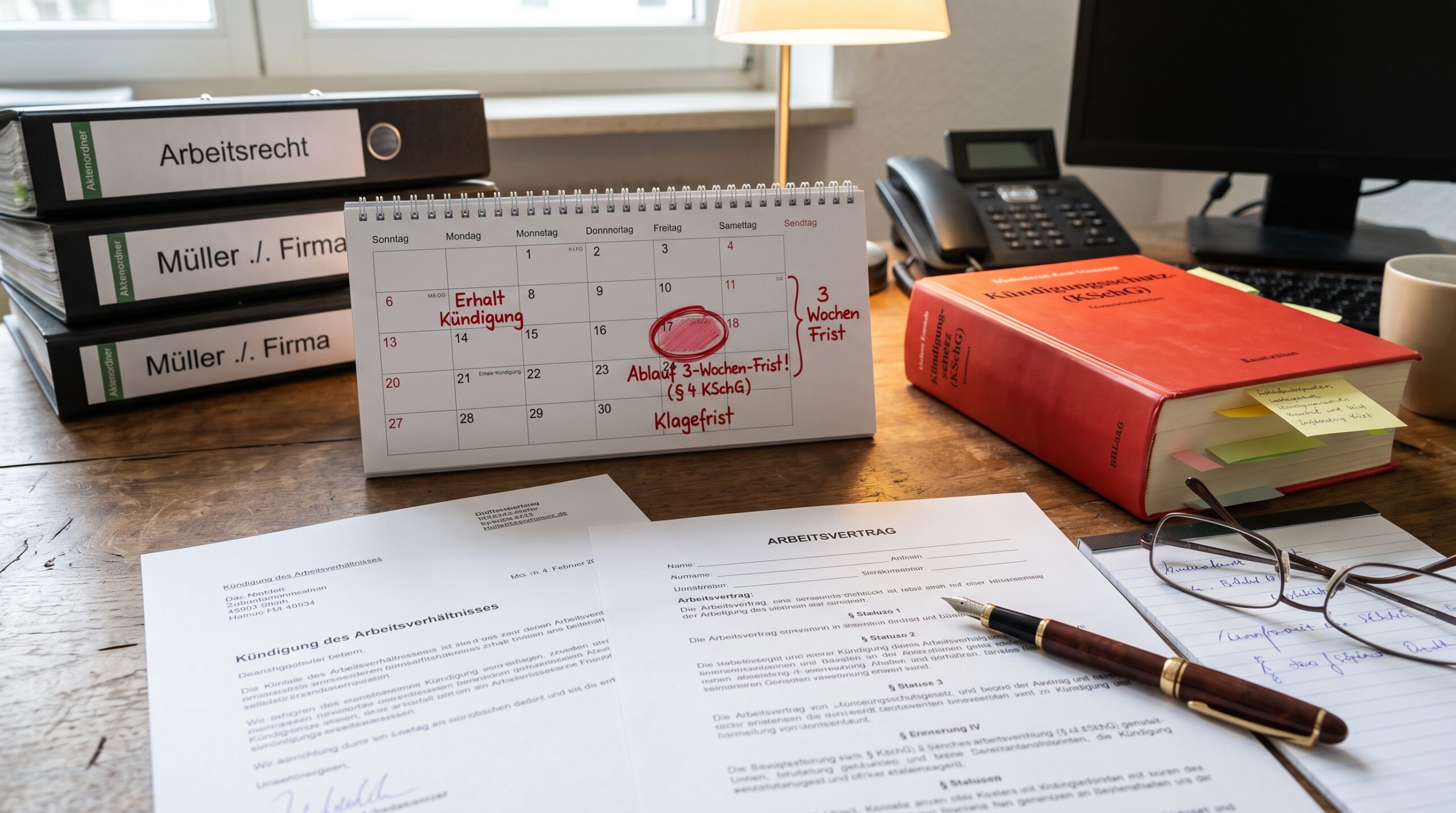
Protection Against Dismissal in Germany | How the Kündigungsschutzgesetz Works
You receive a termination letter and immediately wonder whether the employer can simply end the…
-

Employment Contracts in Germany | Key Rights, Probation Periods, and Fixed-Term Rules
You receive a job offer in Germany and the contract arrives. The language is formal.…
-
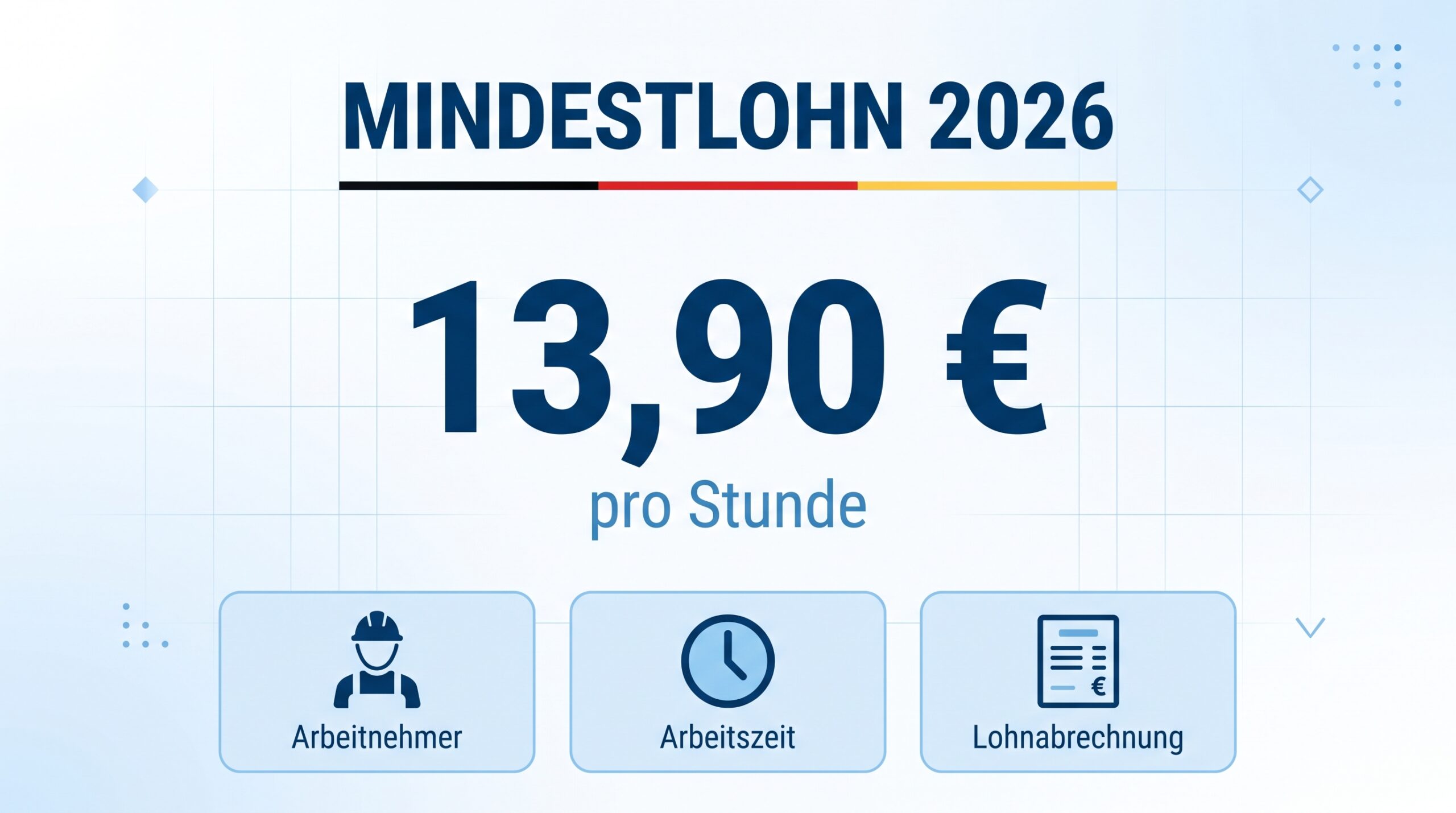
Germany’s Minimum Wage in 2026 | €13.90 per Hour and What It Means for Workers and Employers
Your payslip arrives and the hourly rate looks familiar—until you check the calendar. Since 1…

Explore Our Stunning Gallery
This section highlights a curated collection of images showcasing the beauty and essence of your offerings.







Leave a Reply