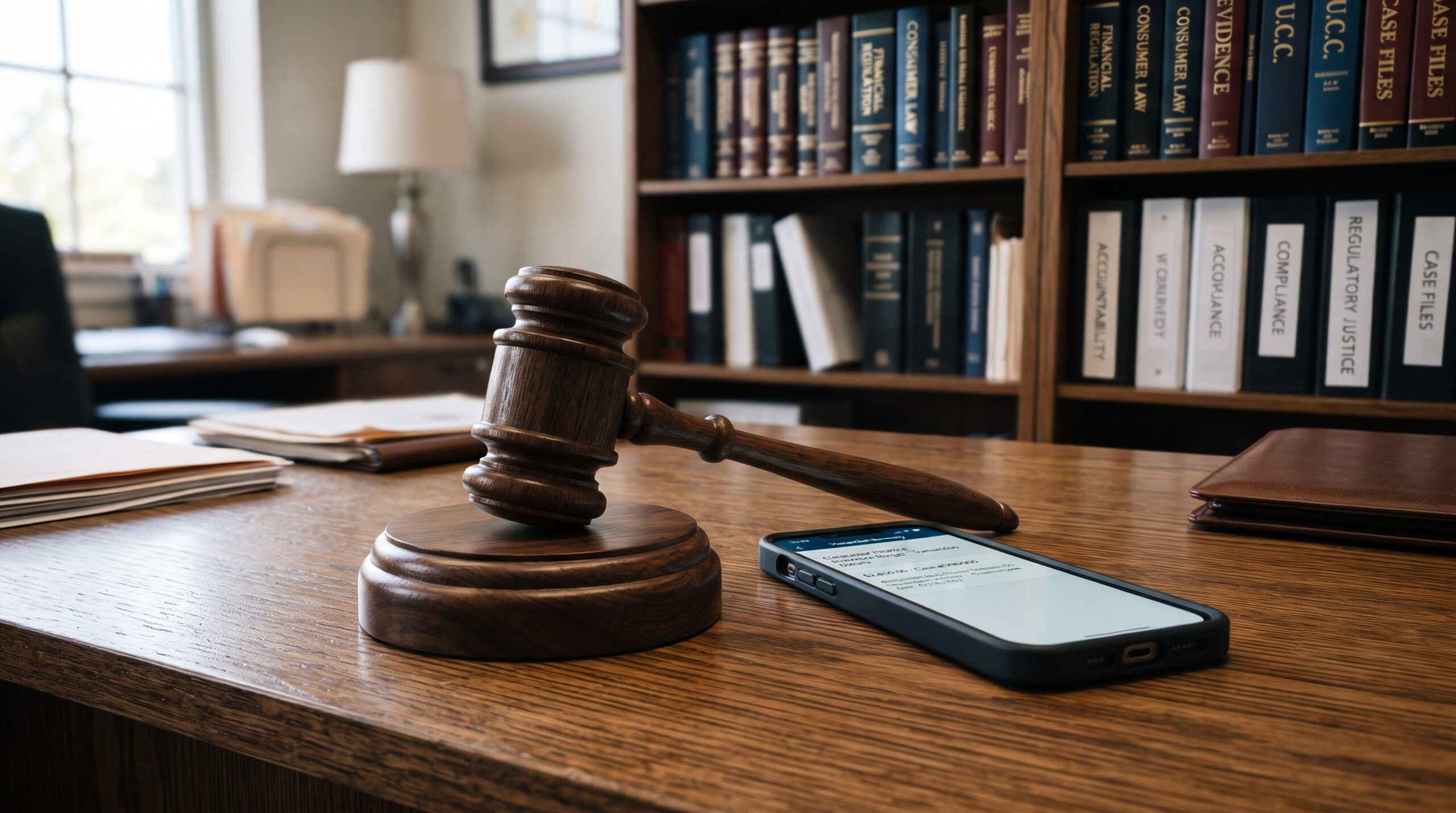
Have you ever opened your bank statement or credit card bill only to spot a recurring monthly charge for a service you never explicitly authorized? That feeling of quiet frustration—realizing a corporation pulled money from your account using deceptive billing tricks or hidden auto-renewals—is far too common. Every year, millions of consumers unknowingly pay millions of dollars into subscription traps, hidden service fees, and predatory fine print.
When large corporations exploit systemic legal loopholes, individual complaints rarely force a major pivot. However, when regulatory watchdogs step in or affected customers unite under a massive consumer protection case, the dynamic shifts dramatically. These legal battles force multibillion-dollar enterprises to overhaul predatory business practices, pay massive restitution refunds, and respect baseline consumer rights.
The Anatomy of a High-Stakes Consumer Protection Lawsuit
Major consumer lawsuits do not emerge overnight. They typically start when thousands of everyday buyers notice identical discrepancies in their transactions, leading to class-action filings or government interventions.
Trigger Points for Litigation
Regulatory bodies like the Federal Trade Commission (FTC) or state Attorneys General launch comprehensive inquiries when pattern-based abuses cross specific statutory thresholds.
-
Unfair or Deceptive Acts: Misleading product claims, hidden fees, or false advertising that misdirects buying decisions.
-
Dark Patterns in UX Design: User interface setups intentionally designed to trick users into recurring financial obligations.
-
Unlawful Data Exploitation: Capturing or monetizing private user information without clear, explicit consent.
The Role of Class Action Frameworks
Individual claims of $15 or $50 are rarely worth pursuing in traditional courtrooms due to legal expenses. Through class-action litigation, plaintiffs consolidate small individual damages into a massive joint lawsuit, forcing corporations to defend their entire business model at scale.
Unpacking “Dark Patterns” and Subscription Traps
A central pillar in modern consumer protection case enforcement targets digital manipulation known as “dark patterns.” These design choices push users into taking actions they did not originally intend to make.
How Companies Lock You In
Many software platforms and e-commerce portals make joining a monthly membership seamless with a single click. Canceling that same membership, however, often requires navigating multi-page questionnaires, enduring customer service retention pitches, or making mandatory phone calls during limited operating hours.
Common Dark Pattern Tactics
-
Roach Motel Design: Making subscription enrollment incredibly simple while making cancellation excessively complex.
-
Hidden Continuity Billing: Converting single transactions into recurring monthly billings via small, pre-checked opt-in boxes.
-
Disguised Advertisements: Styling commercial promotional banners to look like core system navigation buttons.
Financial Restitution and Refund Distribution Mechanisms
When a court orders a company to compensate affected buyers, managing the payout process becomes a monumental administrative challenge. Millions of dollars must find their way back to eligible claimants.
Direct Refunds vs. Claim Forms
In cases where financial institutions or service providers hold clear billing records, courts often order direct credit reversals back to original payment methods. When transaction histories are incomplete, regulatory administrators establish independent settlement funds where claimants submit basic proof of purchase.
Unclaimed Funds and Cy Pres Distributions
Not every consumer claims their designated settlement check. When residual settlement funds remain unclaimed, courts frequently allocate those remaining assets to non-profit legal funds or consumer advocacy organizations through cy pres awards to support ongoing market oversight.
Key Takeaways from Landmark Regulatory Settlements
| Settlement Focus Area | Primary Violations Addressed | Consumer Protection Precedent Established |
| Subscription Auto-Renewals | Concealed recurring billing charges without clear disclosure. | Mandates explicit one-click online cancellation options. |
| Data Privacy & Breach Negligence | Failure to safeguard sensitive personal information. | Establishes strict data handling requirements and mandatory breach disclosures. |
| Hidden Financial Fees | Undisclosed processing fees added at checkout. | Requires upfront, transparent price displays across all sales channels. |
Practical Steps to Protect Yourself from Deceptive Corporate Practices
Understanding your statutory rights is essential, but taking proactive steps protects your personal bank accounts long before regulatory enforcement actions occur.
Monitor Monthly Statements for Micro-Transactions
Establish a habit of reviewing bank and credit card statements line-by-line each month. Predatory billing operators frequently run small, recurring charges under ambiguous corporate names, hoping account holders will overlook small monthly deductions.
Leverage Virtual Payment Cards
When signing up for free trials or unfamiliar online services, utilize virtual credit card numbers set to strict spending limits or one-time use constraints. If a merchant attempts to charge an unauthorized recurring fee, the transaction automatically fails.
Document Deceptive Merchant Interactions
If a business refuses to honor a advertised refund policy or intentionally blocks cancellation attempts, save your correspondence log. Take screenshots of interface pages, save confirmation receipts, and preserve email exchanges to build clear evidence for formal disputes.
How to File Formal Complaints and Seek Resolution
If you encounter deceptive merchant behavior or suspect a company operates illegal billing practices, several formal resolution channels are available to you.
Escalating Issues to Regulators
Filing a direct complaint with regulatory authorities creates a official record that helps trigger broader investigations against repeat offenders.
-
Federal Trade Commission (FTC): Report deceptive commercial practices, misleading claims, and online fraud.
-
Consumer Financial Protection Bureau (CFPB): Submit disputes regarding credit bureaus, mortgages, banking fees, or loan services.
-
State Attorney General’s Office: Contact state-level consumer protection divisions for localized enforcement and dispute mediation.
Filing Credit Card Chargebacks

When direct negotiation with a non-compliant merchant fails, initiate a billing dispute directly through your credit card issuer. Submitting clear documentation showing deceptive billing or unfulfilled orders forces the merchant’s payment processor to review the transaction details.
FAQ
How long do major consumer protection cases typically take to resolve?
Class-action lawsuits and federal regulatory investigations can take anywhere from 18 months to over four years to fully resolve. Complex discovery phases, legal motions, settlement negotiations, and payout distributions all contribute to lengthy timelines.
Do I need to hire a private attorney to receive a settlement payout?
In most large-scale class action settlements or government enforcement actions, you do not need to retain an individual attorney. Claims administrators handle distribution workflows directly through designated official settlement websites.
Will participating in a class action settlement prevent me from suing the company individually?
Yes. Accepting a financial payout from a class-action settlement generally requires signing a legal release that waives your right to pursue separate individual claims against that defendant for the same specific violation.
How can I verify that a class action settlement notice is legitimate?
Legitimate settlement notices direct you to official domain portals ending in .com or .gov managed by appointed administrators. Genuine settlement claim processes will never ask you to pay an upfront processing fee to receive compensation.
What should I do if a company continues charging my card after I cancel?
First, submit a written cancellation request and save the proof. If the business continues deducting funds, contact your bank immediately to issue a stop-payment order and initiate a formal billing chargeback against the unauthorized charges.
Summary and Next Steps
Corporate accountability depends on informed, vigilant consumers who refuse to let deceptive billing practices slip through unnoticed. By staying proactive with your monthly statements, recognizing common dark patterns, and utilizing regulatory reporting tools when violations occur, you help enforce transparency across the marketplace.
If you have experienced unauthorized credit charges or deceptive trial traps, do not ignore them. Contact your financial institution to dispute the charges, document the transaction details, and file a formal report with federal or state regulatory agencies today.
Blog
This section provides an overview of the blog, showcasing a variety of articles, insights, and resources to inform and inspire readers.
-

Protection Against Dismissal in Germany | How the Kündigungsschutzgesetz Works
You receive a termination letter and immediately wonder whether the employer can simply end the…
-

Employment Contracts in Germany | Key Rights, Probation Periods, and Fixed-Term Rules
You receive a job offer in Germany and the contract arrives. The language is formal.…
-
Germany’s Minimum Wage in 2026 | €13.90 per Hour and What It Means for Workers and Employers
Your payslip arrives and the hourly rate looks familiar—until you check the calendar. Since 1…

Leave a Reply